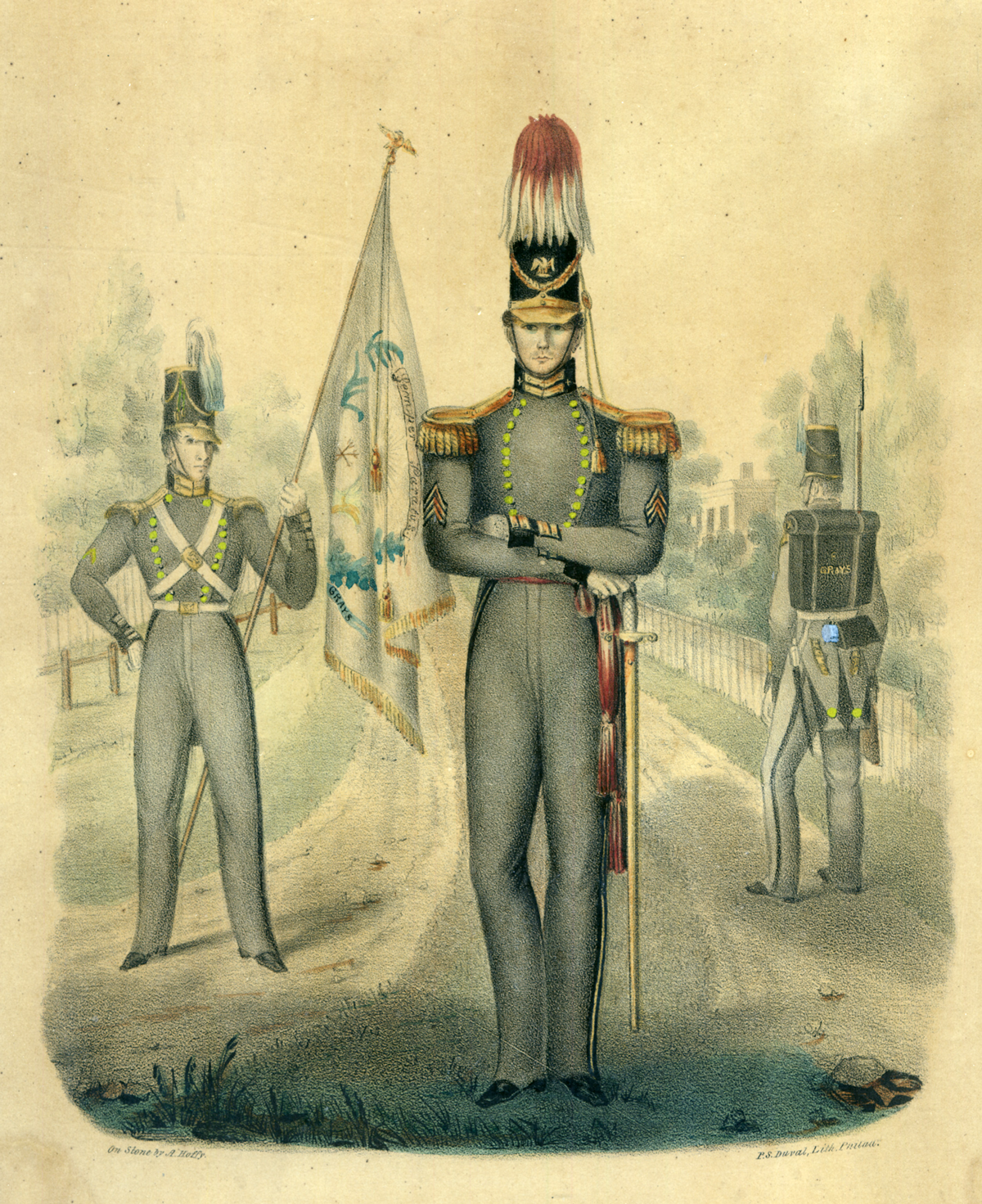
1788
The Ohio National Guard was established on July 25, 1788, in Marietta, Ohio as the Northwest Territory Militia. This early military force was modeled after the European system of the Common Militia – ordinary citizenry who were liable to perform military duty in the event of an emergency. The laws directed that “all male inhabitants between the age of fifteen and fifty, shall be liable to and perform military duty.”
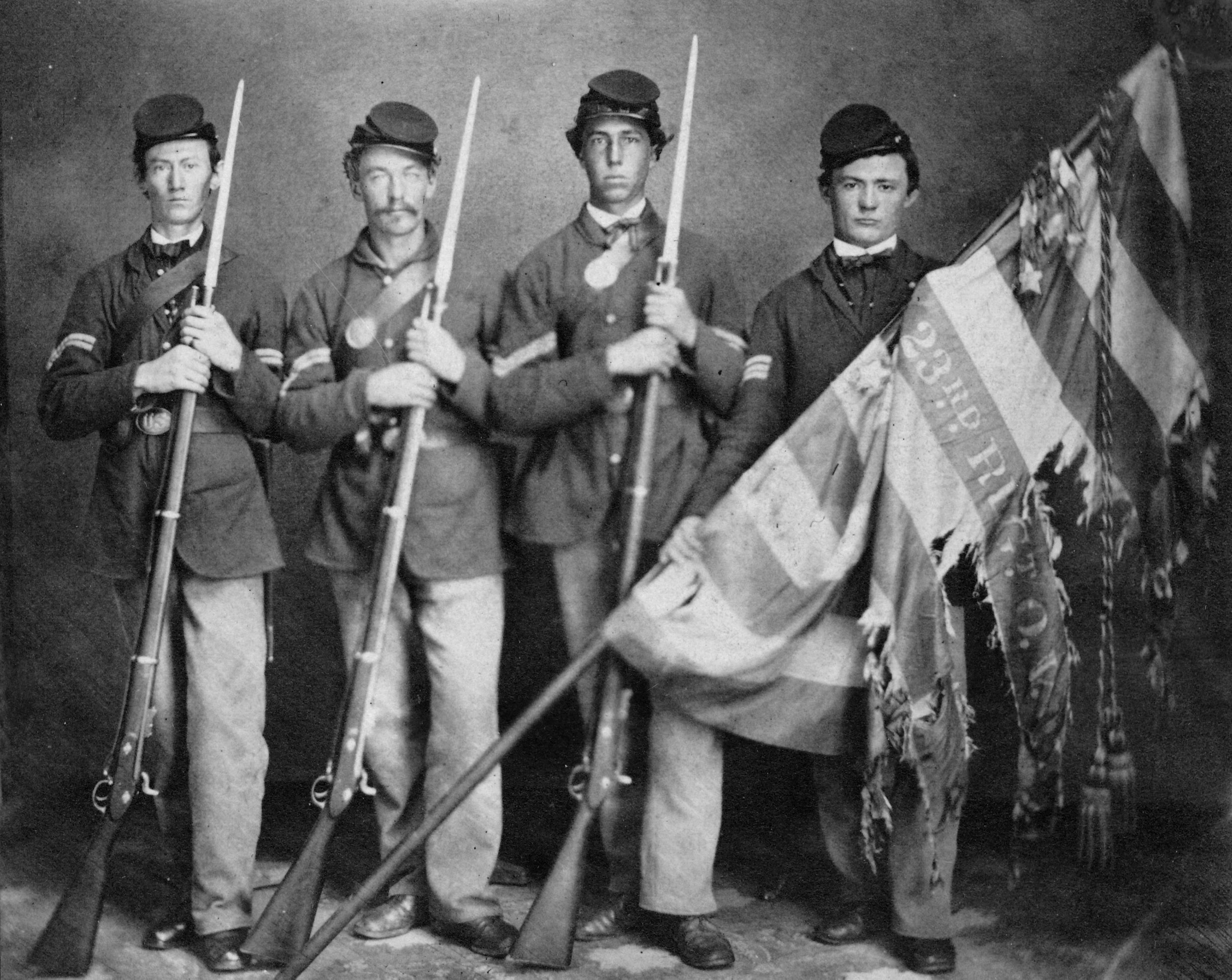
1803 - Ohio Militia
When Ohio achieved statehood in 1803, the organization became known as the Ohio Militia. The Common Militia formed the basis of Ohio’s contribution in the first half of the 19th century and was augmented by independent militia companies formed in many of Ohio’s major cities. Nearly 319,000 Ohioans served in the Union Army during the Civil War and 144 of them were awarded the Medal of Honor. This includes the first recipient, Jacob Parrott of the 33rd Ohio Volunteer Infantry.
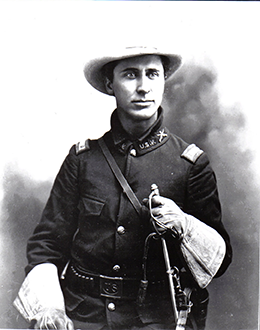
1903 - Militia Law Act of 1903
In 1864, an act of the Ohio General Assembly changed the name of the Ohio Militia to the Ohio National Guard. Throughout the late 19th century, the Ohio National Guard transformed into the more permanent and structured militia force that we know today. Companies were formed in each city or town that could support it. Battalions and regiments were then organized regionally. Weekly drills and summer encampments sharpened the troops' military capabilities.
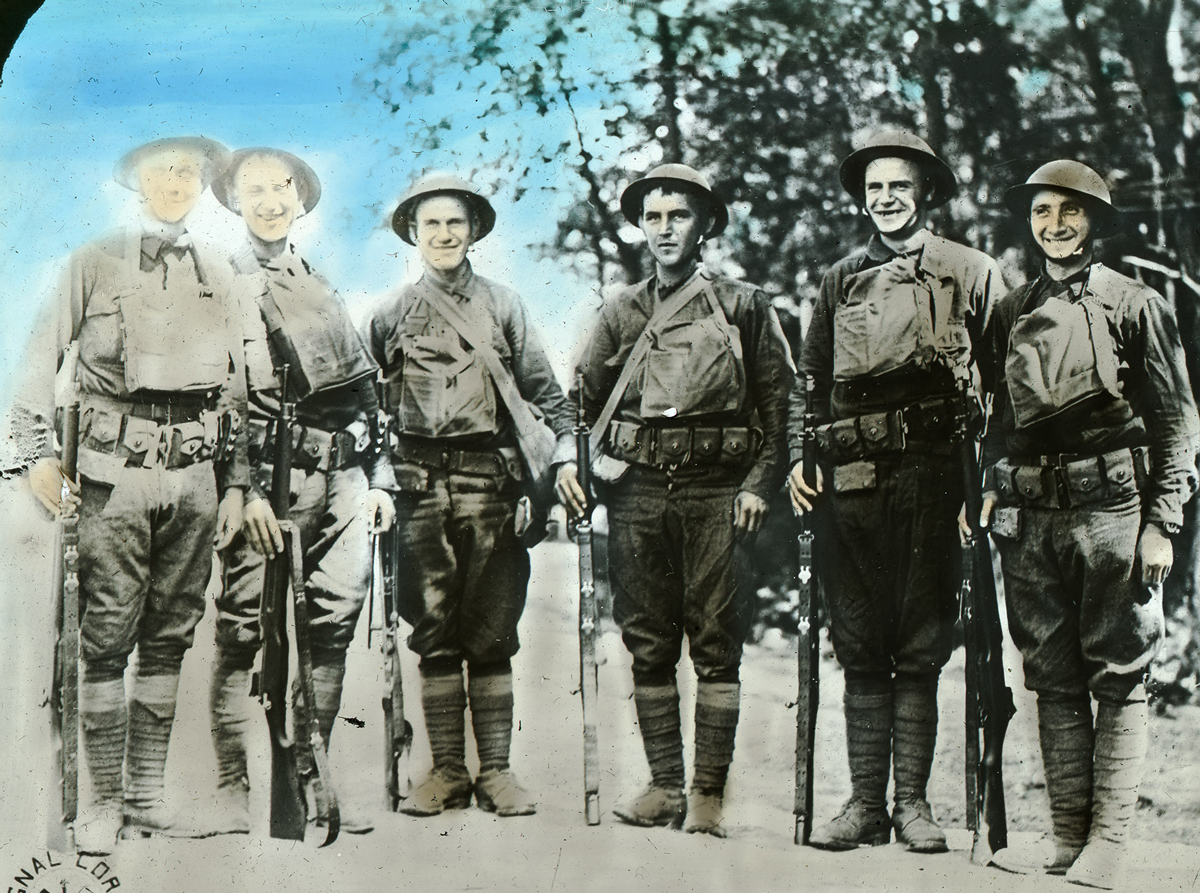
WWI, WWII
The first half of the 20th century demonstrated the new National Guard’s importance to the state, country and world. Ohio’s contribution to the American Armies abroad in both World Wars was extensive and was built primarily around the 37th “Buckeye” Division. At home, the Buckeyes remained busy responding to the needs of their fellow Ohioans in response to natural disasters as well as many instances of civil and labor unrest.
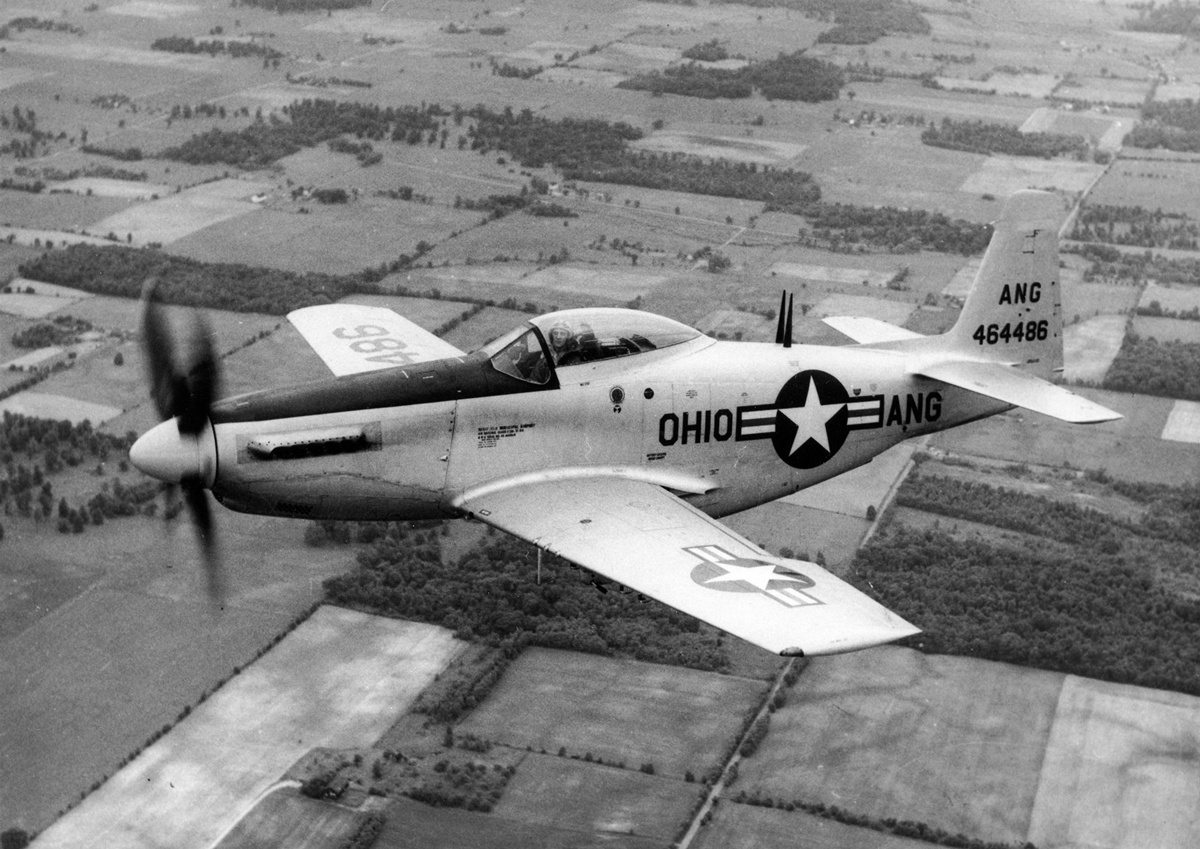
1950s - Ohio National Guard split into Army and Air
Following World War II, the Ohio National Guard was split into Army and Air National Guard components, as occurred nationwide. Both formations remained a vital piece of national defense during the many decades of the Cold War. Numerous federal activations tested the Citizen-Soldiers’ and Citizen-Airmen’s professionalism, and changes to federal standards ensured Ohio units were ready to answer the call here and abroad.
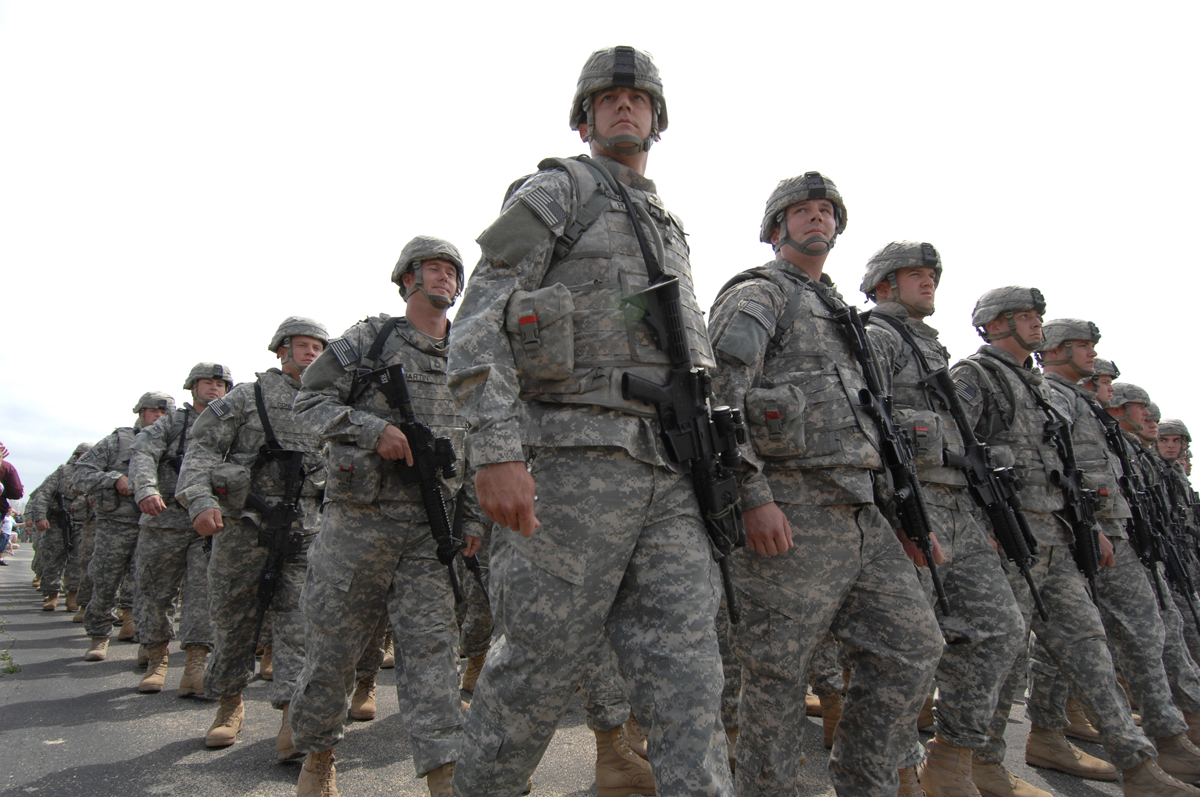
1950s - Ohio National Guard split into Army and Air
Following World War II, the Ohio National Guard was split into Army and Air National Guard components, as occurred nationwide. Both formations remained a vital piece of national defense during the many decades of the Cold War. Numerous federal activations tested the Citizen-Soldiers’ and Citizen-Airmen’s professionalism, and changes to federal standards ensured Ohio units were ready to answer the call here and abroad.